
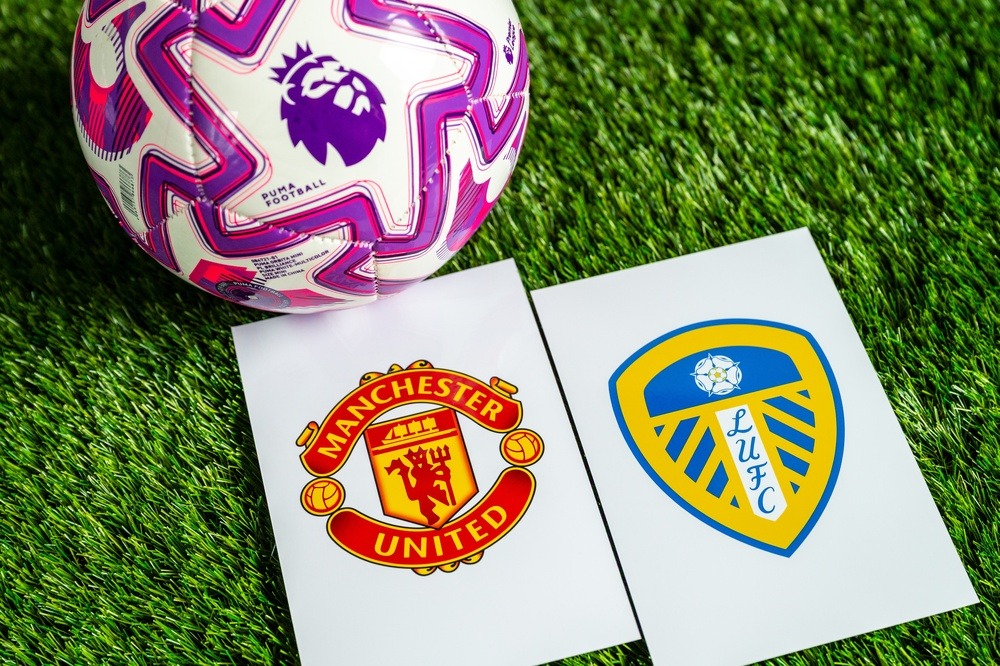
 Manchester United i Leeds igraju utakmicu koja nosi ogroman rezultatski značaj za obje momčadi. Domaći love plasman u Ligu prvaka i svaki bod im je zlata vrijedan u završnici sezone, dok Leeds u Old Trafford stiže pod velikim pritiskom jer vodi tešku borbu za ostanak u Premier ligi. Jasno je da nas očekuje jedan jako važan susret za obje ekipe. Ako se pitate gdje gledati Manchester United – Leeds na pravom ste mjestu!
U nastavku teksta možete pronaći TV kanale koji su zaduženi za prijenos kao i najbolje besplatne platforme za stream. Također, naš tim sportskih analitačara je napravio potpunu analizu ove utakmice. U nastavku teksta možete pročitati i našu najavu ovog dvoboja, najvažnije informacije o momčadima a ljubiteljima sportske kladionice smo dali i naš prijedlog za klađenje.
Manchester United – Leeds najava utakmice
Manchester United u završnicu sezone ulazi s jasnim ciljem da izbori mjesto koje vodi u Ligu prvaka, dok se Leeds grčevito bori za ostanak i svaki naredni susret za njih ima ogromnu težinu. Riječ je o dvoboju dvije velike engleske momčadi čiji okršaji gotovo uvijek nose dodatnu tenziju i posebnu pažnju javnosti.
Svakako da je pred nama jedna od najzanimljivijih utakmica ovog tjedna. U nastavku donosimo gdje gledati utakmicu Manchester United – Leeds, analizu sastava te aktualne forme, kao i naš prijedlog za klađenje.
Manchester United – Leeds: TV prijenos i stream
- Utakmica: Manchester United – Leeds
- Natjecanje: Premier League, 32. kolo
- Datum: 13.04.2026
- Vrijeme: 21:00h
- Lokacija: Old Trafford, Manchester
- TV prijenos: Arena Sport
- Stream: 22bet, bet365, 20bet
Forma Manchester United

Manchester United je posljednjih godina prolazio kroz duboku rezultatsku krizu. Stoga se često postavljalo pitanje kada će se velikan s Old Trafforda ponovo uključiti u borbu za sam vrh engleskog nogometa. Prošla sezona bila je posebno bolna, najlošija u klupskoj historiji kada je riječ o domaćem šampionatu, iako su čak i u takvom izdanju stigli do finala Europske lige.
Taj evropski iskorak ipak nije uspio ublažiti ukupni dojam, jer ih je u finalu nadigrao Tottenham, pa je bilo jasno da nakon takve sezone moraju uslijediti ozbiljne promjene. Uprava je zato reagovala očekivano i pokušala ekipi vratiti kvalitet kroz nova pojačanja, ali i kroz jaču konkurenciju u ofanzivnom dijelu terena.
U klub su stigla pojačanja poput Benjamina Šeška, Bryana Mbeuma i Matheusa Cunhe. To je odmah promijenilo sliku o ovoj momčadi barem na papiru. Manchester United je s njima djelovao snažnije, brže i opasnije u završnici. Tako su i očekivanja navijača pred novu sezonu s pravom ponovo počela rasti.
Ipak, bez obzira na određeni napredak, ekipa dugo nije igrala na nivou koji se očekuje od ovakvog velikana. Zbog toga je došlo i do promjene na klupi, pa je Michael Carrick naslijedio Amorima i dobio zadatak da do kraja sezone stabilizuje ekipu. Pod njim je United vrlo brzo vezao nekoliko sjajnih rezultata i vratio se među najjače ekipe prvenstva.
U ovo kolo Manchester United ulazi kao trećeplasirana momčad, sa sedam bodova prednosti u odnosu na ekipe van top 5. Ovo ih stavlja u vrlo dobru poziciju u borbi za Ligu prvaka. Kada se tome doda niz od sedam pobjeda i dva remija u posljednjih deset utakmica, jasno je da United u završnicu sezone ulazi u vrlo ozbiljnoj i ohrabrujućoj formi.
Timske vijesti Manchester United
Michael Carrick je već neko vrijeme bez Patricka Dorgua, Lissandra Martineza i Matthijsa de Lighta na koje neće moći računati ni danas. Pozitivne su vijesti da se nakon kraće pauze zbog bolesti Noussair Mazraoui vratio treninzima i bit će spreman za ovaj susret.
Forma Leeds
 Leeds je iza sebe ostavio sezonu koja je u potpunosti opravdala njihove ambicije. Kao najbolja ekipa Championshipa izborili su povratak u Premier League na dominantan način i pokazali da su kvalitetom odskakali od ostatka lige. Bio je to povratak kakav navijači i priželjkuju, uz osjećaj da klub ponovo ide u pravom smjeru.
Nakon promocije bilo je jasno da Leeds neće sjediti skrštenih ruku. Dovođenjem igrača poput Jake Bijola, Seana Longstaffa, Dominica Calvert-Lewina, Antona Stacha i Lucasa Perrija poslali su poruku da žele biti mnogo više od prolaznog gosta među elitom. Na papiru je ova momčad nakon ljeta djelovala znatno jače i ozbiljnije.
Ipak, bez obzira na ta pojačanja, osnovni cilj ostao je jasan, opstanak u EPL-u. Leeds je kao povratnik znao da ga čeka teška sezona, ali u posljednjih sedam kola ulazi iz vrlo dobre pozicije. Četiri boda prednosti u odnosu na ugrožene ekipe nisu garancija mira, ali svakako predstavljaju važan kapital u završnici.
Ono što trenutno najviše brine njihove navijače jeste sve slabija napadačka produkcija. Leeds na posljednje četiri ligaške utakmice nije postigao nijedan pogodak. To dovoljno govori o problemima u kreaciji i završnici. U ovakvoj fazi sezone to može biti ozbiljan problem, posebno kada svaki bod nosi veliku težinu.
S druge strane, postoji i razlog za optimizam, jer odbrana djeluje sve sigurnije. U istom tom periodu primili su samo dva pogotka, što pokazuje da ekipa zna kako ostati kompaktna i čvrsta. Ipak, žele li mirnije uploviti u sam finiš prvenstva, Leeds će morati pronaći mnogo više ideje i konkretnosti u napadu.
Timske vijesti Leeds
Daniel Farke na Old Trafford stiže bez problema sa izostancima. On može računati na sve svoje prvotimce.
Međusobni susreti Manchester United – Leeds
Ekipa Leeds ne zna za pobjedu nad Manchester Unitedom još od 2010. godine kada su ih nadigrali u FA Cupu. Od tada su ove ekipe imale osam međusobnih takmičarskih okršaja u kojim je Manchester United slavio u pet navrata a tri susreta su završena bez pobjednika. Već su se ove sezone sastajali jednom. Taj susret je igran na Elland Roadu i završen je bez pobjendika, rezultatom 1:1.
Kvote i savjeti za klađenje Manchester United - Leeds
Pred nama je jedan jako zanimljiv susret u kome domaći žele do važnih bodova u borbi za mjesta koja vode u Ligu prvaka dok gosti žele do važnih bodova u borbi za ostanak. Iako nas očekuje mnogo uzbuđenja kvalitet, forma i domaći teren su na strani Manchestera koji s razlogom ima epitet favorita u ovom dvoboju.
Tečajevi nam potvrđuju da su i bookmakeri prednost dali crvenim đavolima. Pobjeda Manchester Uniteda se plaća tečajem od 1.70 dok za klađenje na Leeds dobijate kvotu od 5.50. Ukoliko se pak odlučite kladiti na remi bit ćete nagrađeni kvotom od 4.30. Bookmakeri su mišljenja da nas u ovom dvoboju očekuje i veliki broj gol prilika, što nam potvrđuju i kvote za klađenje na zbroj golova. Kvota na više od 2.5 pogodaka je 1.80 dok je kvota na manje od 2.5 pogodaka 2.20.
Svakako da je pred nama jedna zanimljiva i važna utakmica za obje ekipe. S obzirom na ulog treba očekivati maksimalno oprezan pristup a Leeds svakako ima problema sa kreacijom, dok njihova odbrana djeluje sve bolje. Stoga smo mišljenja da je na utakmici Manchester United – Leeds klađenje na mali zbroj golova najbolji izbor a ukoliko želite sastaviti i dobitni tiket za danas sigurno da će vam naše prognoze utakmica pomoći u tome.

- Brza oklada
- Mobilne aplikacije
- 100+ načina plaćanja
- Brza oklada
- Mobilne aplikacije
- 100+ načina plaćanja